...
Best Cataract Surgery In Jaipur
Overview

Best Cataract Surgery In Jaipur

Cataract surgery involves removing the eye’s cloudy lens and replacing it with an artificial one in most cases. Typically, the lens is clear, but when cataracts develop, vision is impaired. This outpatient procedure, performed by an ophthalmologist, does not require hospitalization. It’s a common and safe procedure, swiftly eliminating the cloudy lens that impairs vision. A new intraocular lens is implanted, addressing both nearsightedness and farsightedness. Surgery is necessary only if cataracts interfere with daily activities. It remarkably enhances vision for 97% of individuals, with minimal complications. Book an appointment with Getwell Eye Hospital in Jaipur to get your cataract surgery at affordable rates.

  • Affordable Pricing
  • World Class Equipements
  • Complete Care

What is Cataract?

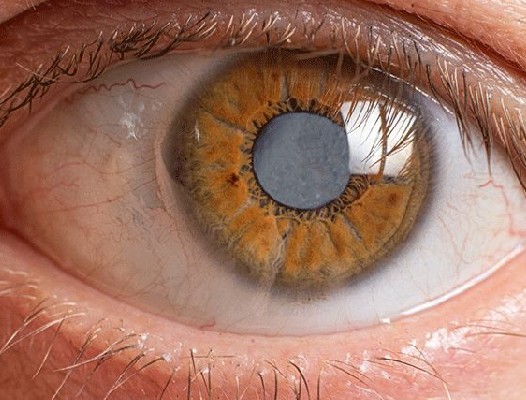
Cataract is an eye disease that starts with increasing age. The condition of clouding of the lens of the eye is called cataract. This disease occurs when protein deposits in the eye prevent the lens from sending clear images to the retina. The retina functions to convert light coming through the lens into signals.

It sends signals to the optic nerve which transmits them to the brain. Cataracts develop slowly and affect eyesight. A person may have cataracts in both eyes, but cataracts may or may not affect both eyes equally at the same time. Cataract is a common problem in older people.

Due to cataracts, a person’s eyes become sensitive to light and colored objects are not visible clearly. If the problem increases then a serious situation may arise for you. Therefore, its timely treatment is necessary. It also has some symptoms, by paying attention to which you can understand its initial condition.

What is Cataract?

Symptoms Of Cataract

Cataracts are a common eye condition that usually develops slowly and causes a gradual decline in vision. Some of the common symptoms of cataracts include:

  • Blurry Vision
  • Halos Surrounding Light
  • Increased Sensitivity to Glare
  • Double Vision
  • Trouble Seeing at Night

Myths about Cataract

  • Cataracts only affect older people.
  • Cataracts can be cured with eye drops or medication.
  • Cataracts will spread from one eye to the other.
  • Cataracts will return after surgery.
  • Wearing sunglasses can prevent cataracts.

Understanding of Cataracts Causes

  • Aging: The primary cause of cataracts is aging, as the eye’s lens gradually loses flexibility and becomes cloudy over time.
  • Genetics: Certain individuals may have a higher likelihood of developing cataracts due to genetic predispositions.
  • Medications: Prolonged use of specific medications, particularly steroids, can also contribute to the development of cataracts.
  • Smoking and Alcohol: Excessive smoking and alcohol consumption have been associated with an increased risk of cataracts.
  • UV Radiation Exposure: Long-term exposure to ultraviolet (UV) radiation from sunlight and other sources can elevate the risk of developing cataracts.
  • Medical Conditions: Conditions such as diabetes, high blood pressure, and obesity can also play a role in the development of cataracts.
  • Other Factors: Eye injuries or previous eye surgeries may also increase the likelihood of developing cataracts.

Cataract Treatment

For individuals experiencing significant vision impairment uncorrectable with glasses or contacts, cataract surgery, also known as “motiyabind” operation, presents a highly efficient solution. This procedure involves the removal of the cloudy lens causing visual disturbances and its replacement with a clear, artificial lens, facilitating clear vision restoration. With a notable success rate and minimal complications reported, many individuals swiftly resume their regular activities post-surgery.

There exists no medication, dietary supplement, or exercise regimen that has been scientifically validated to prevent or cure cataracts. While adopting a healthy lifestyle may aid in delaying cataract onset, surgery currently stands as the sole effective treatment option for those grappling with advanced stages of the condition.

What to Expect with Cataract Surgery in Jaipur at Getwell Eye Hospital

Before Cataract Surgery:

Prior to undergoing cataract surgery, it’s crucial to consult with a cataract surgeon in Jaipur. Initially, your eye doctor will conduct a thorough eye examination to assess the extent of your cataract and your overall eye health. They may also take measurements of your eye to determine the appropriate lens implant for the surgery. Additionally, your eye doctor will provide instructions on pre-surgery preparation, which may involve discontinuing certain medications, arranging transportation to and from the eye hospital, and fasting for a specified period.

During Cataract Surgery:

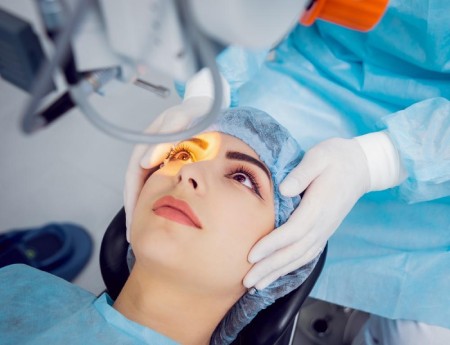
Cataract surgery in Jaipur involves the surgeon making a small incision in your eye and utilizing ultrasound energy to fragment and remove the cloudy lens. Subsequently, a new artificial lens is implanted to replace the removed one. Typically, the entire procedure can be completed in under 30 minutes.

After Cataract Surgery:

Following cataract surgery, a brief period of rest is necessary before discharge. Your eye doctor will furnish you with post-operative care instructions, including the application of eye drops to prevent infection and reduce inflammation. Additionally, you may be required to wear an eye patch or shield for a few days to safeguard your eye.

Don't let Cataracts steal your vision. Improve your vision with the worldcalss cataract surgery in Jaipur.

Schedule an appointment at Getwell Eye Hospital, wherein the high skilled cataract surgeon in Jaipur awaits you. For professional guidance on eye check-ups and cataract surgery in Jaipur, Call: 0141-4091968, +917014884589.

Call Now

Why Choose Getwell Eye Hospital for Your Cataract Surgery in Jaipur?

  • Comprehensive medical assessments and assistance from an anesthetist during surgery enhance patient safety throughout the procedure.
  • Surgery is conducted under topical anesthesia, eliminating the need for injections and ensuring a pain-free experience with no requirement for eye patches. Patients can resume normal indoor activities from the following day onwards, thanks to swift recovery.
  • Stringent aseptic measures in the operating theater and the use of single-use disposable items significantly diminish the risk of infection, approaching zero.
  • We provide compassionate post-operative care and follow-up services to ensure the well-being and satisfaction of our patients.

FAQ: Cataract Surgery

Cataract surgery involves removing the cloudy lens of the eye and replacing it with an artificial lens called an intraocular lens (IOL). This procedure aims to restore clear vision by replacing the clouded lens, allowing light to pass through and focus properly onto the retina. As a result, patients experience improved vision and clarity.

Cataract surgery typically takes around 15 to 30 minutes per eye. Most surgeries are performed under local anesthesia, which involves numbing the eye area with eye drops or an injection. General anesthesia is rarely used, and the patient remains awake during the procedure.

While cataract surgery is generally safe, like any surgical procedure, it carries some risks. Potential complications may include infection, bleeding, swelling, retinal detachment, or secondary cataract formation. However, these complications are rare, and the majority of patients experience successful outcomes.

Patients often notice improved vision within a few days after surgery, although full recovery may take several weeks. During the recovery process, it’s common to experience mild discomfort, irritation, or blurred vision, which typically resolves gradually. Your eye doctor will provide specific post-operative instructions to facilitate healing and optimize visual outcomes.

The need for glasses or contacts after cataract surgery depends on various factors, including the type of intraocular lens implanted and the patient’s visual requirements. While some individuals may achieve good distance vision without glasses, others may still require glasses for certain activities such as reading or driving. Your eye doctor will discuss your options and recommend the most suitable lens for your needs.

Before cataract surgery, it’s essential to inform your doctor about any medications you’re taking and any existing health conditions. Additionally, following your surgeon’s pre-operative and post-operative instructions, such as avoiding strenuous activities, protecting your eyes from injury, and using prescribed eye drops, can help ensure a smooth recovery and optimal visual outcomes.

    captcha

    Book Appointment With Getwell Eye Hospital, Jaipur

    Please schedule an appointment with Getwell Eye Hospital in Jaipur. We offer expert and world-class eye care services and treatments.

    • Comprehensive Eye Examination
      Thorough eye examinations to assess your vision and detect any eye ailments.
    • Advanced Eye Surgeries
      Highly skilled & experienced surgeons use state-of-the-art equipment for optimal outcomes of normal & complicated surgeries.
    image
    Hospital Hours

    9.00 AM - 8.00 PM

    Trust Our Patient

    What Our Patient Are Say About Us

    Seraphinite AcceleratorOptimized by Seraphinite Accelerator
    Turns on site high speed to be attractive for people and search engines.